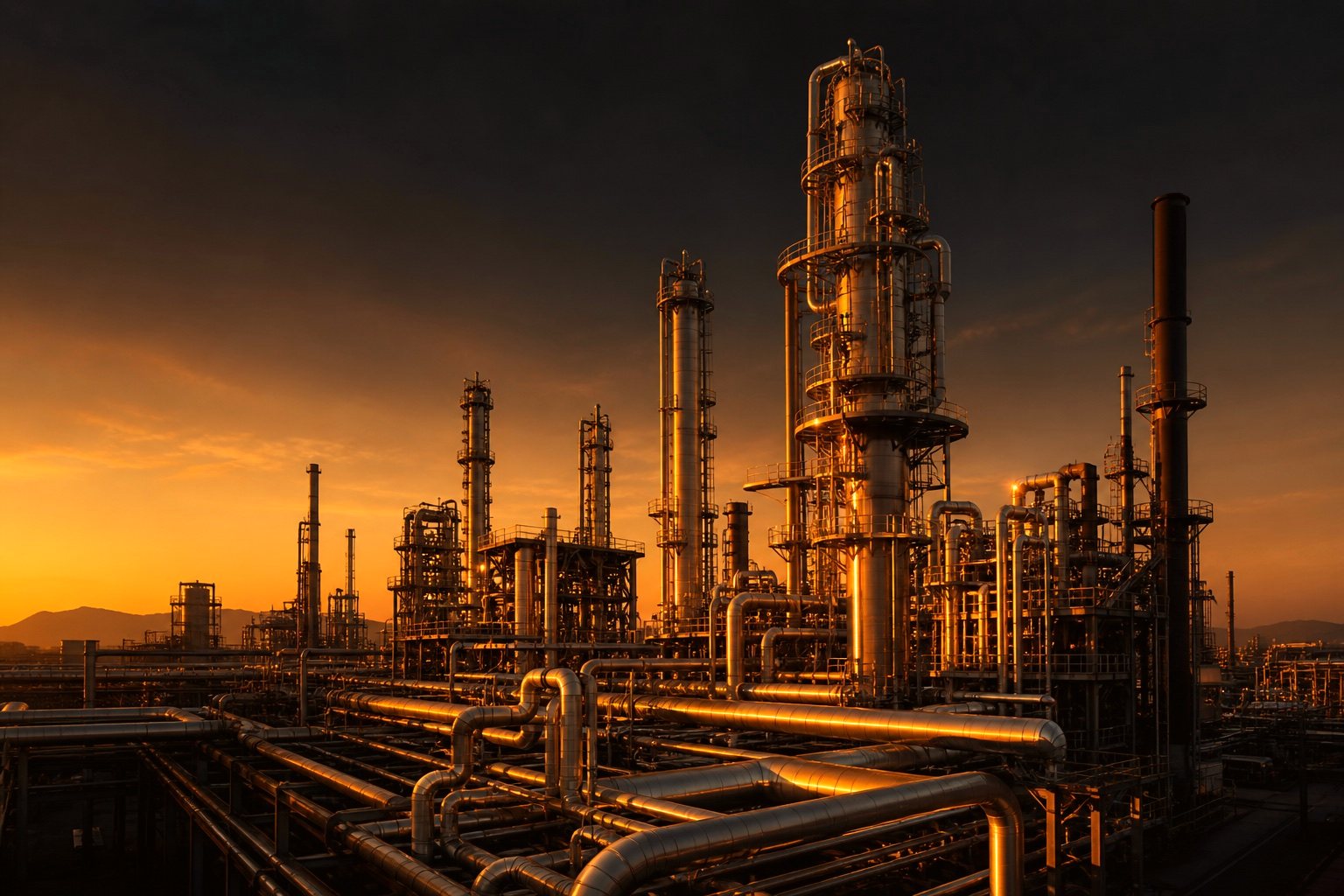
Saudi Arabia’s oil & gas and petrochemical sector continues to expand rapidly, and with that growth comes a familiar challenge: how to execute complex, multidisciplinary projects safely, on schedule, and to a consistent standard of quality. For EPC and industrial services providers, the answer lies less in scale and more in the strength of the systems behind the work.
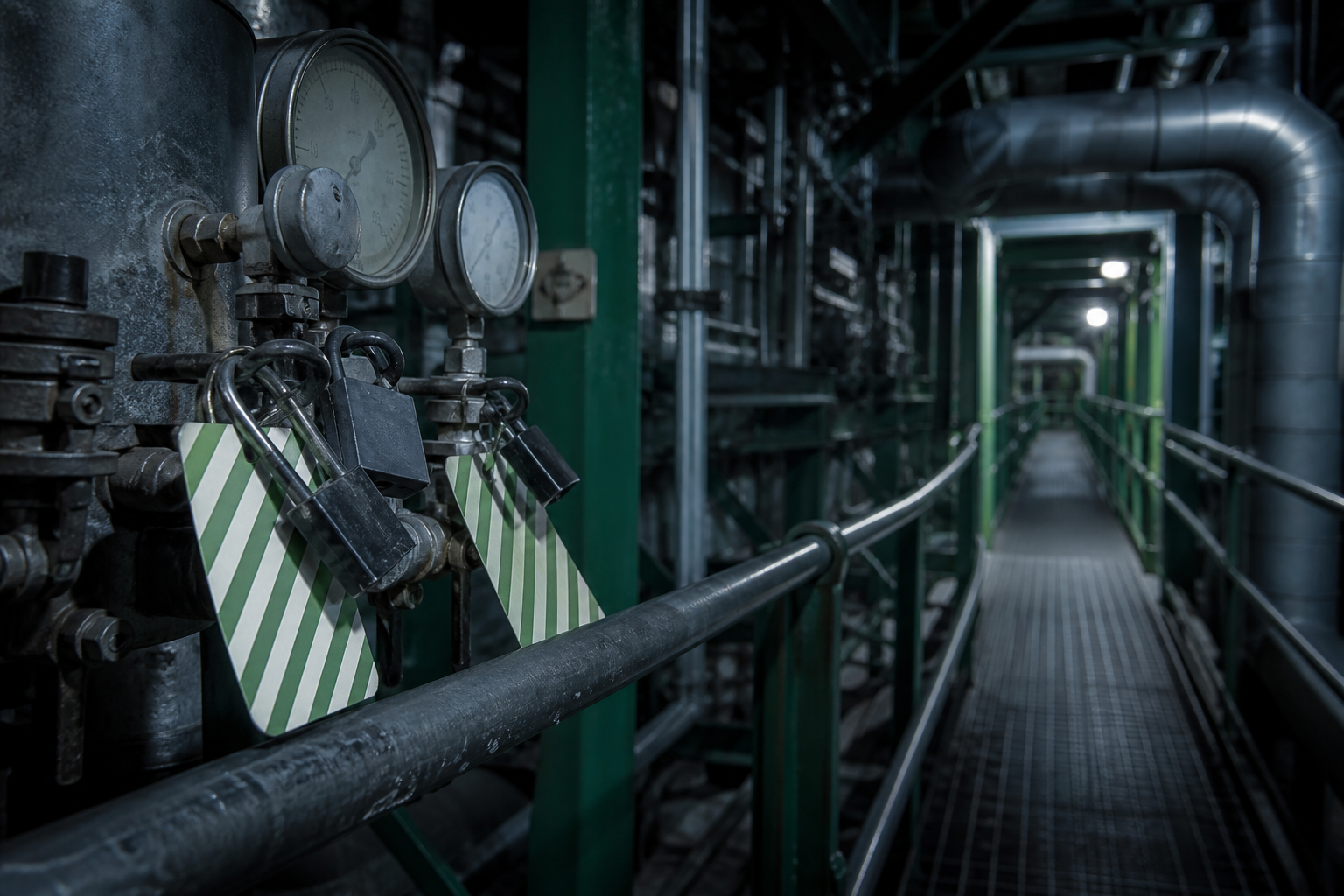
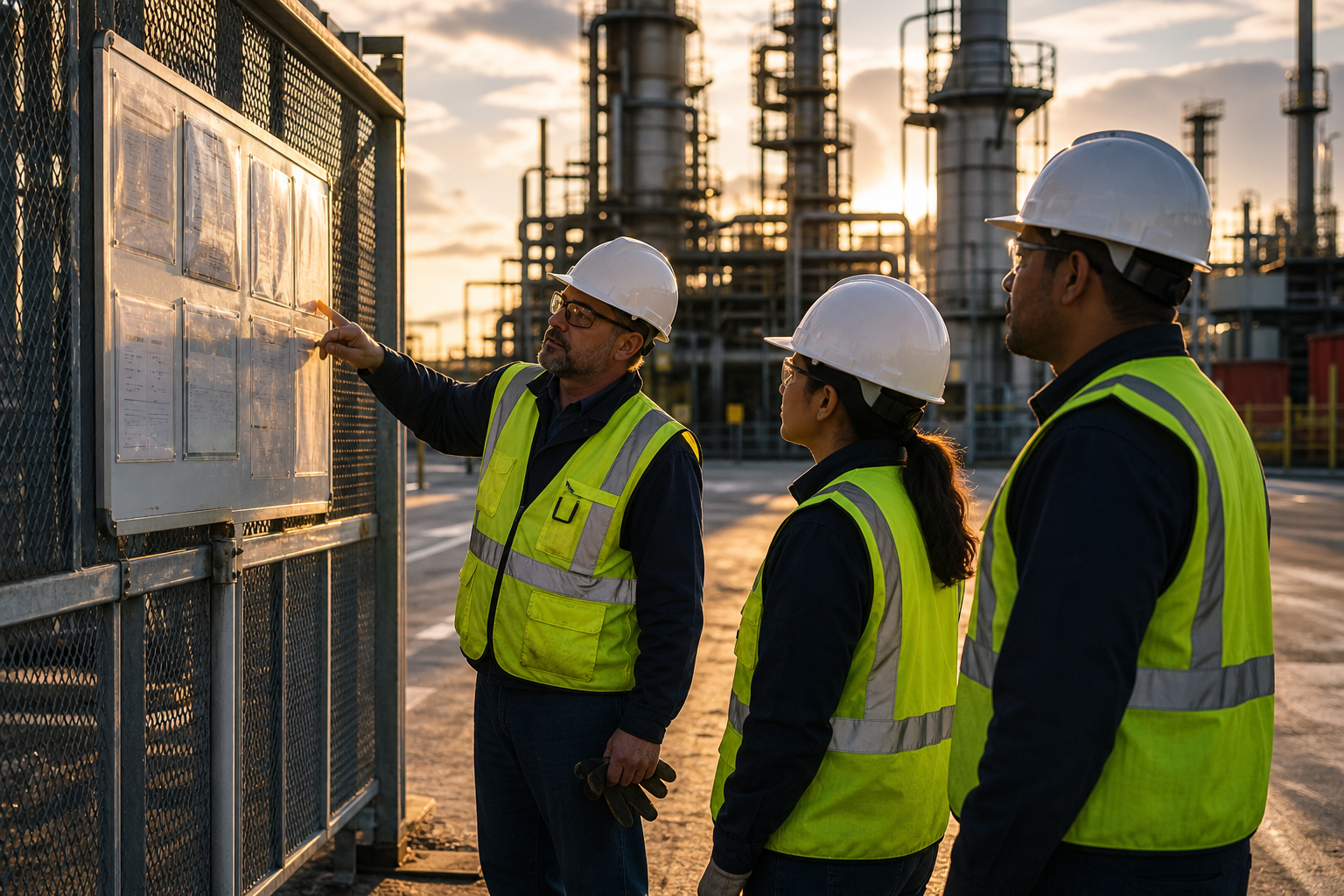
Structured project controls — clear planning, disciplined documentation, and certified execution procedures — are what allow a construction or maintenance programme to stay predictable even as scope and site conditions change. This is why TSME builds every project around integrated management systems aligned to ISO 9001 (quality), ISO 14001 (environment), and ISO 45001 (occupational health & safety), rather than treating certification as a formality. These frameworks translate directly into fewer surprises on site: clearer handover documentation, consistent inspection and test procedures, and accountable safety practices from mobilisation through commissioning.
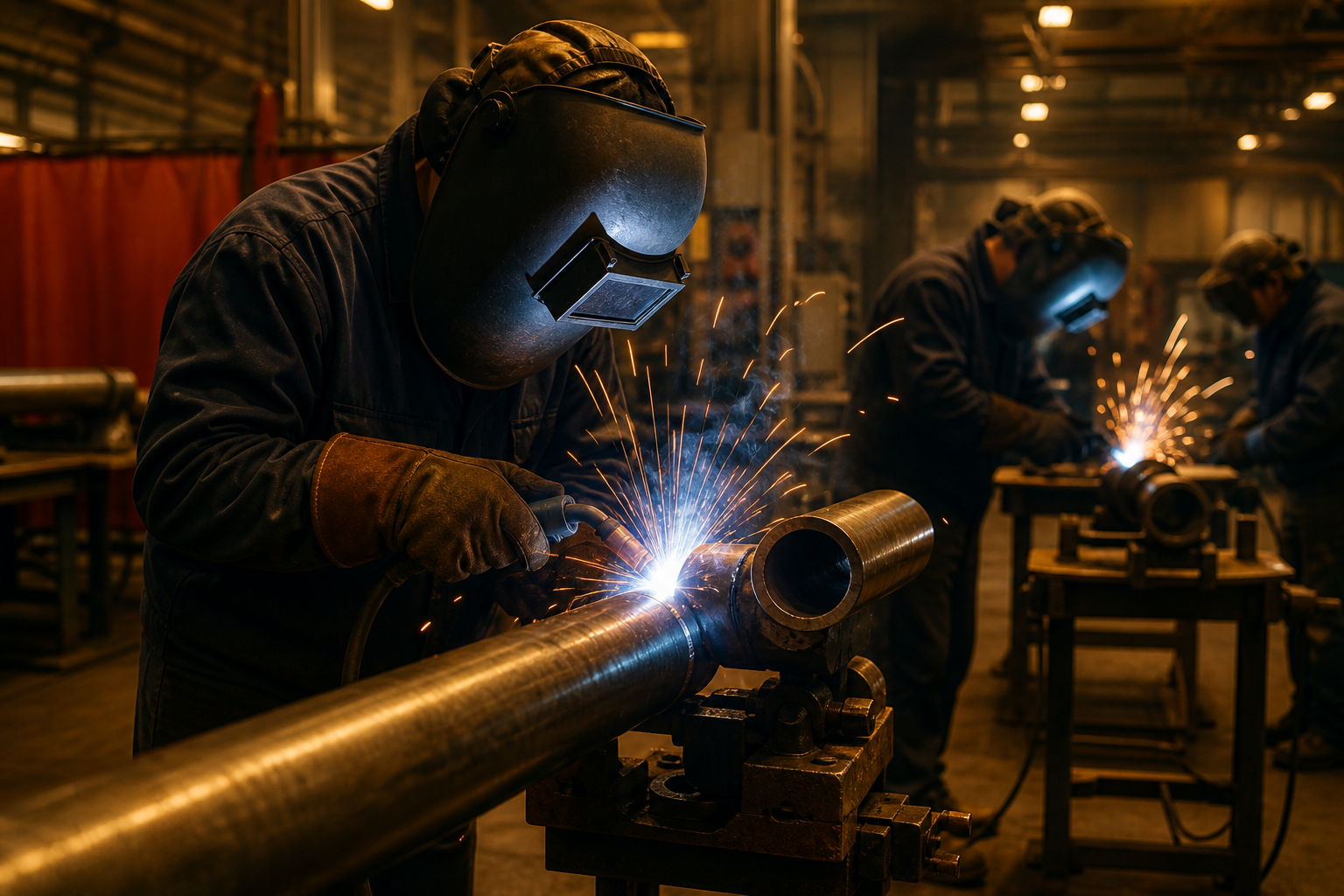
Equally important is the people behind the systems. A zero-harm safety philosophy only works when technical teams — welders, riggers, electricians, instrumentation technicians, and supervisors — are genuinely trained to the standard the paperwork describes. That is the thinking behind TSME’s branch and dedicated technical training centres in India: building a pipeline of certified, job-ready manpower rather than relying solely on the open market, and giving Saudi Arabia-based clients confidence that the crew on site has been trained to recognised HSE and QA/QC standards before mobilisation.
Digital tools add a third layer of reliability. Project dashboards, digitised document control, and BIM-based coordination reduce the ambiguity that traditionally causes rework and disputes on industrial projects, giving both the contractor and the client a shared, real-time view of progress and quality — coordinated seamlessly between the Al Khobar operations centre and the India branch.
Taken together — certified systems, trained people, and digital visibility — these are the elements that separate dependable EPC and industrial services partners from the rest. As Saudi Arabia’s oil & gas industry continues to grow, the organisations that invest early in this kind of structural discipline will be the ones clients trust with their most critical infrastructure.

Next